Commercial cleaning and food hygiene professionals in Brampton assist food establishments, commissaries, baking facilities, warehouses, and mobile food services staying compliant. They decontaminate high-contact points, food preparation surfaces, equipment, floors, drains, restrooms, and prep zones with approved chemicals, at correct dilution, and recording exposure duration. You need regular sanitation determined by hazard level, volume, food allergies, and regulatory assessments, plus verification records that support Hazard Analysis Critical Control Points, quality reviews, and public health compliance. The sections below explains what strong sanitation programs must contain.
Main Points
- Sanitation specialists in Brampton cater to restaurants, grocery departments, commissaries, warehouses, bakeries, schools, mobile vendors, and allergen-sensitive operations.
- They clean high-touch surfaces, food-contact equipment, kitchens, floors, drains, restrooms, and storage areas using zone-based workflows to reduce cross-contamination.
- Recording of completion through samples, audits, and correction logs ensures trained contractors have confirmed proper chemical concentration, suitability, and exposure duration.
- Cleaning timelines need to respect risk, throughput, switches, accidents, and regulations, with regular, recurring, and seasonal tasks allocated by section.
- Pick providers with HACCP, sanitation, competency, WHMIS, preparation, liability, testimonials, color-categorized implements, and inspection-ready sanitation files.
Brampton Venues That Need Food Safety Cleaning: Which Ones?
Any Brampton facility that handles, maintains, prepares, packages, or offers food needs food sanitation. You must use it if your facility falls under public health review, food rules, or HACCP systems. That requirement covers restaurants, cafeterias, commissaries, grocery food departments, butcher shops, seafood counters, convenience stores, and institutional kitchens.
Documented food sanitation is additionally needed in distribution centers, processing facilities, refrigerated storage, commercial bakeries, school meal programs, event venues, and delivery services. Mobile and temporary establishments matter too, including catering trucks, festival vendors, and pop-up food booths. Your facility demands recorded sanitation procedures when your employees prepare supplies, portion completed foods, reheat products, or manage allergen records. In Brampton, sanitation stays optional; it forms legal, operational, and consumer protection compliance.
What Do Brampton Cleaning Professionals Handle?
You need skilled cleaning experts who sanitize frequently touched areas, cooking areas, floor areas, and bathrooms to maintain food safety and public health requirements. These areas are targeted because they carry the greatest contamination risk, falling hazards, and regulatory breaches.
If you comprehend their cleaning services, you'll successfully ensure your operation satisfies all operational and regulatory compliance needs.
Addressing High-Touch Surface Sanitizing
Brampton janitorial experts emphasize high-touch surface disinfection because these common areas can distribute microbes and organic matter throughout a location. You require a formal plan for disinfecting frequently touched items like handles, plates, switches, railings, equipment controls, payment terminals, and fridge pulls. Applying surface identification mapping, teams determine every frequently handled surface and set cleaning schedule
maintaining sequential patterns, and keeping separate cleaning tools by zone
Kitchens, Floors, and Restrooms
Brampton cleaning professionals will address kitchens, floors, and restrooms since each space presents different food safety concerns, slip-and-fall, and public health challenges. In industrial kitchens, you need grease removal from cooking stations, appliance surfaces, drain systems, preparation areas, and backsplashes to minimize contamination and pest pressure.
Floor care that is recorded should equally be anticipated. Technicians clean and remove buildup from grout, tile, and vinyl flooring, then apply proper moisture management so you can limit falls and meet regulatory standards. They also address entry points where dampness and dirt enter the building.
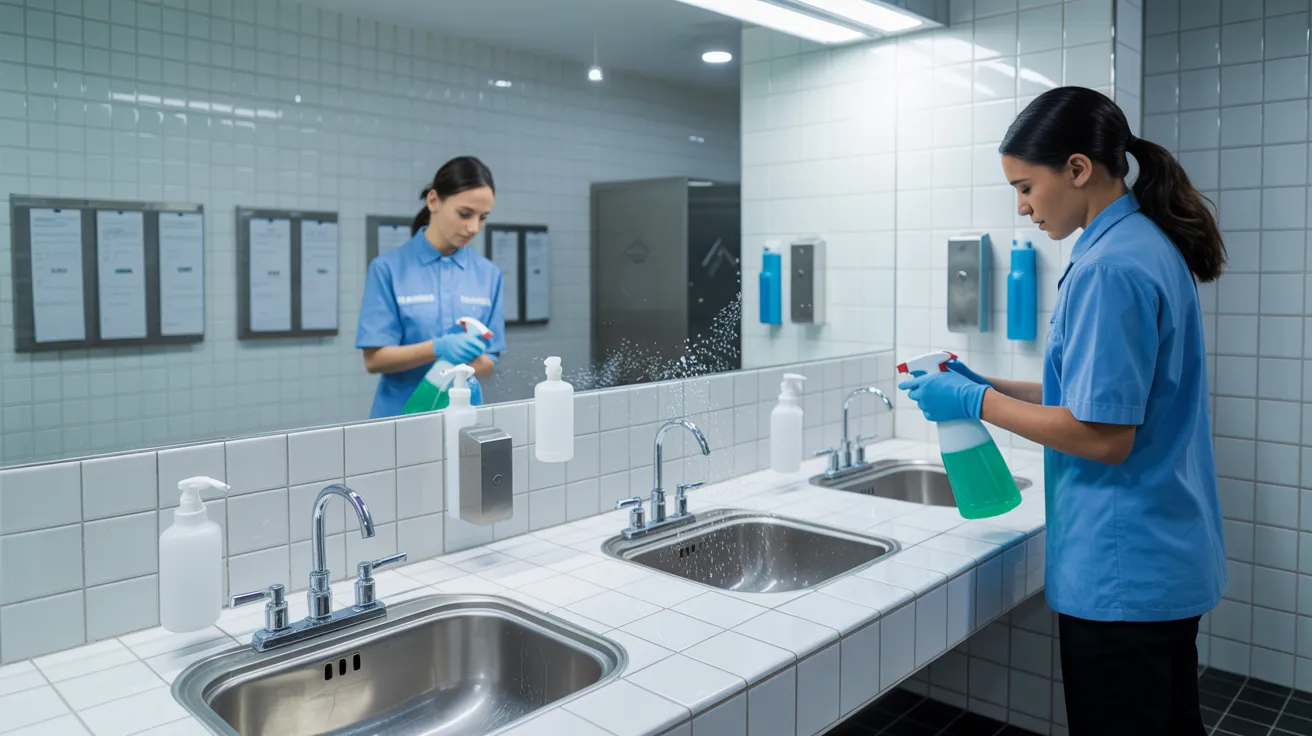
Restroom cleaning requires decontaminating touchpoints, fixtures, partitions, dispensers, and waste containers, replacing items and managing smells. They also maintain restaurant cleaning supply rooms where product storage, sink cleanliness, and drain systems impact daily sanitation standards and worker protection.
Food Safety Cleaning Significance for Brampton Businesses
To comply with regulatory mandates and succeed in audits, Brampton establishments must follow food-safe cleaning standards. You also minimize cross-contamination by cleaning and sanitizing food-contact surfaces, equipment, and high-touch areas correctly. Most importantly, you safeguard community wellness by reducing the chance of food poisoning in your establishment.
Food Safety Regulations
Food establishments in Brampton face mandatory safety protocols, making food safety cleaning critical to meeting health code requirements, defending patrons, and sidestepping enforcement action. You must maintain sanitary food-contact surfaces, recorded sanitation plans, proper chemical use, and verifiable staff procedures that align with municipal and provincial inspection expectations.
Good hygiene practices enables allergen control by reducing residue on joint machinery and commonly contacted zones.
Cross-Contamination Prevention
Following regulatory requirements depends on your skill in stopping cross-contamination in daily food handling and cleaning. You must separate raw ingredients from ready-to-eat foods, sanitize prep surfaces between tasks, and maintain separation of cleaning products from food. Well-defined guidelines decrease contamination chances and support consistent compliance during inspections.
You could implement allergen segregation to prevent priority allergens from contacting common areas, containers, or machinery. Apply separate boards, color-marked equipment, and rigorous tool identification so team members avoid blending products throughout cooking or delivery. Enforce washing hands following uncooked meat, fish, egg products, or allergens. Swap cleaning rags frequently, and check sanitizer strength with test strips. When you train staff to follow these controls each learn more shift, you create a cleaner, safer operation that meets Brampton's food safety expectations daily.
Community Health Safety
When food safety cleaning fails, you don't just face inspection failure—you increase the chance of foodborne illness impacting customers, staff, and the wider Brampton community. You also undermine your responsibility in safeguarding community wellness, especially in high-traffic food premises where pathogens travel quickly through surfaces, equipment, and touchpoints.
You need sanitation systems that remove contaminants, disinfect appropriately, and validate outcomes. This involves maintaining contact periods, selecting approved disinfectants, logging schedules, and educating staff to satisfy regulatory requirements. These controls promote pathogen control by minimizing pathogens before reaching surfaces or food. Throughout Brampton, effective sanitation safeguards susceptible populations, minimizes disease potential, and demonstrates accountability. When you adhere to standards, you go beyond requirements—you mitigate risk and facilitate secure food handling throughout the area.
In What Ways Does Cleaning Help Achieve Food Safety Compliance?
Embracing thorough cleaning protocols reinforces food safety compliance by lowering contamination exposure, limiting pathogen development, and ensuring your facility complies with sanitation requirements under HACCP-based programs and public health regulations. You confirm that food-handling surfaces stay visibly clean and microbiologically controlled, facilitating documented preventive controls and inspection readiness.
Cleaning strategies additionally fortify allergen management by removing residues that can provoke undeclared allergen exposure.
What's the Best Time to Plan Commercial Cleaning?
regular standard cleaning
shutdowns, seasonal-related soil accumulation, or pest-control management timeframes.
Selecting the Right Brampton Cleaning Experts: Key Considerations
Start by screening providers against food sanitation standards, not price alone. You should verify that each company understands CFIA, public health, and HACCP-aligned expectations relevant to your facility. Ask for insurance documentation, WHMIS compliance, documented staff training, and supervision practices. Review whether technicians understand contamination prevention, chemical handling, and traceable sanitation records.
You should further examine service consistency and answerability. Request testimonials from Brampton food businesses, then review response times, corrective action plans, and communication protocols. Validate the company supports supplier audits and can supply compliance documentation to authorities or third parties. Confirm equipment receives maintenance, colour-coded tools are used appropriately, and site-specific hazards are recognized. A qualified provider protects compliance, product quality, and your reputation in the market.
What details should a sanitation plan include?
Write out a framework that outlines every sanitation activity, guideline, and role before production begins. You should record cleaning frequencies, approved chemicals, dilution rates, contact times, tools, and verification methods for each area, surface, and device. Remember to add pre-operational inspections, corrective actions, and employee training requirements.
Your plan should also cover cross-contamination prevention, waste disposal, pest management measures, and scheduled documentation for restrooms, drains, floors, and food-contact areas. Clarify how you'll distinguish raw from ready-to-eat operations, support ingredient tracking, and maintain accurate allergen labeling through validated cleaning between product changes. You should establish accountability, preserve signed records, and check results against regulatory standards, HACCP controls, and customer requirements. When gaps appear, revise procedures immediately and re-educate staff.
Commonly Asked Inquiries
Will sanitation providers handle overnight shifts at Brampton properties?
Yes, you can arrange sanitation coverage to support nighttime operations in Brampton facilities. You'll coordinate nighttime cleaning around operational windows, security measures, and personnel needs. Providers typically establish overnight logistics to reduce disruption, ensure compliance, and record finished work. You should verify response times, management, lockout procedures, and waste handling before beginning service. If you operate regulated spaces, you'll also need documentation that support inspections and internal quality assurance.
Do sanitation professionals offer emergency spill response solutions?
Yes, you can discover many Brampton sanitation experts providing spill response services. They handle hazardous incidents, evaluate risks, isolate contamination, and begin swift decontamination to reduce risk and avoid operational impact. You should confirm timeframes, credentials, PPE measures, and disposal methods. If your facility must meet compliance standards, pick a provider that tracks incidents, follows procedures, and supports verification.
Are environmentally safe disinfectants secure for food-handling equipment?
Definitely, natural disinfectants function safely on surfaces contacting food if you purchase disinfectants approved for food contact that comply with regulatory compliant. You should check application timing, concentration levels, and rinsing needs before use. Botanical formulations minimize chemical hazards, but you must have proof of efficacy against specific pathogens. To maintain residue-free conditions, implement manufacturer directions precisely and verify your cleaning agent meets relevant food safety standards.
Will sanitation programs respond to seasonal shifts?
Without question, cleaning plans adjust easily for seasonal production changes. Adjust intervals, personnel, chemicals, and verification steps to align with operational cycles while upholding regulatory adherence. Minimize operational delays by timing sanitization amid changeovers, maximum output, and equipment use patterns. Also update written procedures, training, and environmental monitoring to capture transient threats, emerging allergens, or higher contamination levels. Ongoing evaluations preserve your plan functional.
Will professional cleaning services train employees on sanitation best practices?
Absolutely, professional cleaning companies regularly deliver staff training on hygiene standards. Your team gets instruction on correct chemical handling, contact times, contamination avoidance, equipment disassembly, and paperwork. They typically align instruction with HACCP, GMP, and CFIA or regional health authority requirements. Many conduct health inspections to ensure adherence, pinpoint weaknesses, and strengthen corrective measures. This enables you to sustain uniform standards, clear audits, and lower contamination dangers routinely.
Conclusion
Through engaging Brampton food safety and commercial cleaning specialists, you accomplish much beyond organizing—you ensure your facility for inspections and your standards stay aligned with regulations. From production floors to kitchens, all maintained surfaces and organized zones help prevent pest problems and prevent significant costs. Through booking service on suitable timelines and sticking to a solid cleaning plan, you safeguard your team, your patrons, and your good name. Within strict regulatory frameworks, clean conditions must be a priority—they are fundamental to success.
Comments on “Professional Cleaning Solutions”